910-772-9960
Follow Us

The elderly and invalid are among the most vulnerable members of society. When placed in a nursing home, they become even more vulnerable and subject to exploitation as well as physical or mental abuse issues, or both.
Unfortunately, far too many such facilities in North Carolina and elsewhere violate state and federal regulations pertaining to the care of residents.
If you suspect your loved one is a nursing home abuse victim, it is essential to contact a nursing home abuse lawyer immediately. A NC injury attorney at Rhine Law Farm knows the anguish you and your family are going through and will work hard to provide justice and the maximum compensation available for your abused loved one.
Many signs of nursing home abuse are apparent. For example, if a loved one suffers from bedsores or appears unkempt or dirty, the nursing home staff is not doing their job. Other signs of nursing abuse are more subtle, and family members should realize behavioral changes may indicate abuse.
Suspect possible nursing home abuse if a resident displays any of the following signs:
Take note if your family member or other residents appear scared of particular staff members or fellow residents.
If you suspect nursing home abuse or neglect, document your suspicions thoroughly. Take photos or videos of any resident injuries and record conversations with your relative on this topic. If there were eyewitnesses to the abuse, obtain their names and contact information.

Some abuse occurs because it makes the staff’s job easier. However, the staff cannot restrain a resident simply because it is convenient. That is true whether they use a drug to knock a resident out or physically restrain someone, such as fastening them to the bed rails. A staff member should also not remove a resident’s crutches or wheelchair to deprive them of mobility without specific authorization from management.
Nursing home abuse does not always involve staff harming patients. Certain residents may abuse other residents, and it is the nursing home’s responsibility to ensure the safety of all.
Any attempt by staff to isolate the resident from family members or friends is a red flag regarding negligence and abuse.
While it is hard to imagine staff members hitting, kicking, or otherwise harming elderly nursing home residents, the fact is physical abuse is common in too many nursing homes. Residents with their faculties may fear reporting it, and those with dementia may not realize they are being abused or cannot inform family members.
Physical abuse might not be on purpose, but rather because of negligence. Torn carpeting, debris in walkways, and poor lighting can all contribute to falls and broken bones, especially in a facility designed for the elderly and infirm. A NC premises liability lawyer will investigate the layout and condition of the nursing home if property owner negligence caused an injury.
Emotional abuse is even more common than physical abuse in nursing homes. Residents are belittled, yelled at, threatened, or their needs are simply ignored. Perhaps they are forbidden to participate in group activities because a staff member wants to punish them in some way. Behavioral changes may result from emotional abuse, and it is the nursing home’s duty to notice and report such changes.
Nursing home abuse may also involve sexual abuse, so pay attention to any mentions of pain in the genital area or attempts to describe what happened to them.
Sexual abuse may be perpetrated by either staff members or residents. While nursing homes are required to conduct criminal background checks via the NC Division of Health Services regulation NC Automated Background Check system before hiring workers, they do not have to conduct background checks on residents. A registered sex offender could be among the residents and may prey on others. Those with dementia may act in sexually inappropriate ways and it is the nursing home’s responsibility to protect other residents from their behavior.
When discovering that one resident has sexually assaulted another, the nursing home should call the police at once. However, nursing homes frequently do not report such incidents, deciding instead to monitor the perpetrator more closely.
The nursing home may prove liable for failing to train staff adequately for handling resident-on-resident aggression or sexual abuse. The management may have failed to monitor residents with abusive tendencies or place certain residents in inappropriate proximity.
Keep in mind that residents may live in fear of their abuser. Some nursing home residents cannot communicate, but if a loved one can express themselves, they may not want to talk about nursing home abuse because they are afraid of what their abuser may do in retaliation.
The appearance of the nursing home itself may give clues that care is inadequate, or patients are not safe. If the facility does not look clean, patients have poor hygiene or if there is insufficient staff to care for residents, those are signs that neglect and abuse are prevalent.
Every year, hundreds of patients nationwide wander out of nursing homes. Some never return, dying of exposure or being hit by motor vehicles. Others go missing, probably dead but never located. Patients may fall and seriously or fatally hurt themselves because no one is supervising them.
If the family member is missing items from their room, money is gone from their bank account, or there are unauthorized uses of credit cards, financial exploitation by nursing home staff or residents is likely.
However, if the residents have access to a cell phone, they may be victims of financial scammers. Many fraudsters directly target seniors.

Many signs of nursing home abuse are apparent. For example, if a loved one suffers from bedsores or appears unkempt or dirty, the nursing home staff is not doing their job. Other signs of nursing abuse are more subtle, and family members should realize behavioral changes may indicate abuse.
Suspect possible nursing home abuse if a resident displays any of the following signs:
Take note if your family member or other residents appear scared of particular staff members or fellow residents.
If you suspect nursing home abuse or neglect, document your suspicions thoroughly. Take photos or videos of any resident injuries and record conversations with your relative on this topic. If there were eyewitnesses to the abuse, obtain their names and contact information.
Bedsores are also known as pressure ulcers, decubitus ulcers or pressure sores. These preventable ulcers can worsen quickly and require surgery, and many patients die from severe bedsores.
The simplest way to prevent bedsores is by assuring a patient is turned or repositioned at least every two hours, and that their skin is inspected daily. Patients in wheelchairs should sit straight and upright, and have their positions changed every 15 minutes. If the blood supply to the skin is cut off for more than two hours, a bedsore may start.
Patients also require proper skin care, so that their skin is always dry and clean. Good nutrition is necessary, as vital nutrients can help prevent bedsore formation and aid in healing should a bedsore occur.
Bedsores are staged in a system from one to four, with four being the most severe. The staging involves:
Bedsores that have progressed to stages 3 or 4 are indicative of nursing home neglect.
For an elderly resident, a fall and fracture can mean the permanent end of mobility. Overall, falls are the leading cause of accidental death for those age 75 and up, accounting for up to 85 percent of such deaths.
Every nursing home should have a robust fall prevention plan in place to protect residents. Such safety measures include:

Residents should have the right dosage of the correct medications administered to them at specific times. Giving the wrong dosage or medication or not keeping to a schedule can cause serious reactions or death. The same holds for not giving the medication to the residents at all.
Staff shortages are the primary reason for medication errors. Harried workers get confused and fall behind schedule due to their workload.
Regular medication reviews by staff can pinpoint pharmaceuticals that can cause dizziness or otherwise increase the risk of falls. Staff members can go over the review with a healthcare professional to see if a substitution is available or a schedule change can lower resident risk.
Bedsores are among the most frequent infections in nursing homes. Untreated, they can lead to sepsis, or blood poisoning. Even young and healthy people often succumb to sepsis. In the elderly, sepsis is even more dangerous.
Malnutrition and Dehydration
Again, staffing shortages play a major role in malnutrition and dehydration situations. Staff may forget to provide food and drink, and residents with cognitive issues are most often neglected. Residents may lack the ability to properly feed themselves, but staff ignore the issue and the affected patients end up with malnutrition.
Suspect malnutrition and dehydration if you notice:
Tragically, many instances of nursing home abuse and neglect prove fatal to the victim. Complications from bedsores and falls are the most frequent killers. A wrongful death attorney in North Carolina can file a wrongful death lawsuit for the victim’s estate on behalf of the decedent’s family against the nursing home and other defendants. To initiate a wrongful death claim, a personal representative of the estate must be appointed.
In North Carolina, wrongful death is caused by a “wrongful act, neglect, or default of another.” Had the victim survived, they could have filed a personal injury lawsuit against the defendant.
The statute of limitations for filing a wrongful death lawsuit in North Carolina is two years from the death date. Do not wait to hire a nursing home wrongful death lawyer in NC, as that can result in critical evidence disappearing.
In North Carolina, medical malpractice is defined as negligence by a medical professional, a failure to adhere to the standard of care. A NC medical malpractice attorney at Rhine Law Firm is well-versed in the intricacies of filing a nursing home negligence lawsuit.
The statute of limitations for filing a medical malpractice lawsuit in North Carolina is generally three years from the date of the injury.
Found in the North Carolina Rules of Civil Procedure, rule 9(j) refers to legal requirements necessary to file a medical malpractice lawsuit against a healthcare provider. A qualified medical expert must review the patient’s records and sign a sworn statement that the defendants did not meet the standard of care. Such expert witnesses are expensive. Failure to file a Rule 9(j) certification in the initial complaint means the case is automatically dismissed.
Most personal injury law firms in North Carolina are not equipped to handle this procedural barrier. When seeking an attorney to handle a nursing home abuse or neglect claim, always ask about the number of medical malpractices cases filed by the firm and the results. A North Carolina catastrophic injury lawyer at Rhine Law Firm has the expertise for meeting this challenge.
Nursing home abuse and neglect cases are among the most difficult and most important cases Rhine Law Firm handles. That is why families deserve attorneys who understand NC’s complex medical malpractice classification requirements.
Rhine Law Firm is equipped to handle the full spectrum of nursing home claims in North Carolina.
“Nursing home abuse cases can involve serious harm and complex medical malpractice rules. Families deserve attorneys who understand requirements like Rule 9(j) and know how to build these claims correctly from the start.” – Joel Rhine
Compensation, or damages, in a North Carolina nursing home abuse and neglect case may include:
Non-economic damages in North Carolina medical malpractice cases are capped at $500,000. There are exceptions for cases involving intentional misconduct, fraud, or malice.
In wrongful death cases, damages may include:
If you suspect nursing home abuse at a North Carolina facility, inform the management at once. If the situation is an emergency, call 911. In a dire situation, remove your relative and place them in another facility.
Report nursing home mistreatment to the local Department of Social Services in the county in which the facility is located.
Unfortunately, your loved one is probably not the only resident suffering abuse in that nursing home. By reporting abuse and pursuing a lawsuit, other residents who do not have family or advocates may no longer suffer injury or neglect at the hands of nursing home staff.
Consult a nursing home neglect attorney in North Carolina.
If your family member was a victim of nursing home abuse, speak with a North Carolina nursing home neglect attorney at Rhine Law Firm. We work on a contingency basis, so you pay no fee unless you receive compensation. Rhine Law Firm offers evening and weekend availability and Spanish-speaking services.
"*" indicates required fields
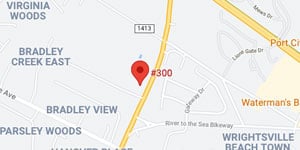
1612 Military Cutoff Road,
Suite 300
Wilmington, NC 28403
Although our primary office location is in Wilmington, North Carolina we represent clients nationally and across the state of North Carolina. Some of the many areas we serve are listed below.
Placing a loved one in a nursing home is an act of trust. When that trust is broken through neglect, physical abuse, or financial exploitation, the harm can be devastating, and in the most serious cases it can lead to a wrongful death.
Our firm can help you hold negligent caregivers, facilities, and their insurers financially responsible for your loved one’s medical expenses, the cost of moving to safer care, and most importantly, the pain, suffering, and loss of dignity they have endured.
Schedule Your Free Initial Consultation
"*" indicates required fields