910-772-9960
Follow Us
Many property owners in North Carolina experience wind damage from severe weather events like hurricanes, tornadoes, and powerful storms, which can leave a trail of destruction. You may have major damage to roofs and siding, broken windows, or uprooted trees. Repairs are often expensive, and dealing with uncooperative insurance companies only adds to the stress.
When you need to make a significant disaster claim under your property and casualty insurance policy, a North Carolina property damage lawyer from Rhine Law Firm in Wilmington can help you get the largest reimbursements available–according to your policy’s terms and conditions. We challenge low offers from claims adjusters and pursue every dollar a property owner is entitled to recover to rebuild damaged property. Contact our firm to discuss your case with a qualified North Carolina wind damage claims attorney today.
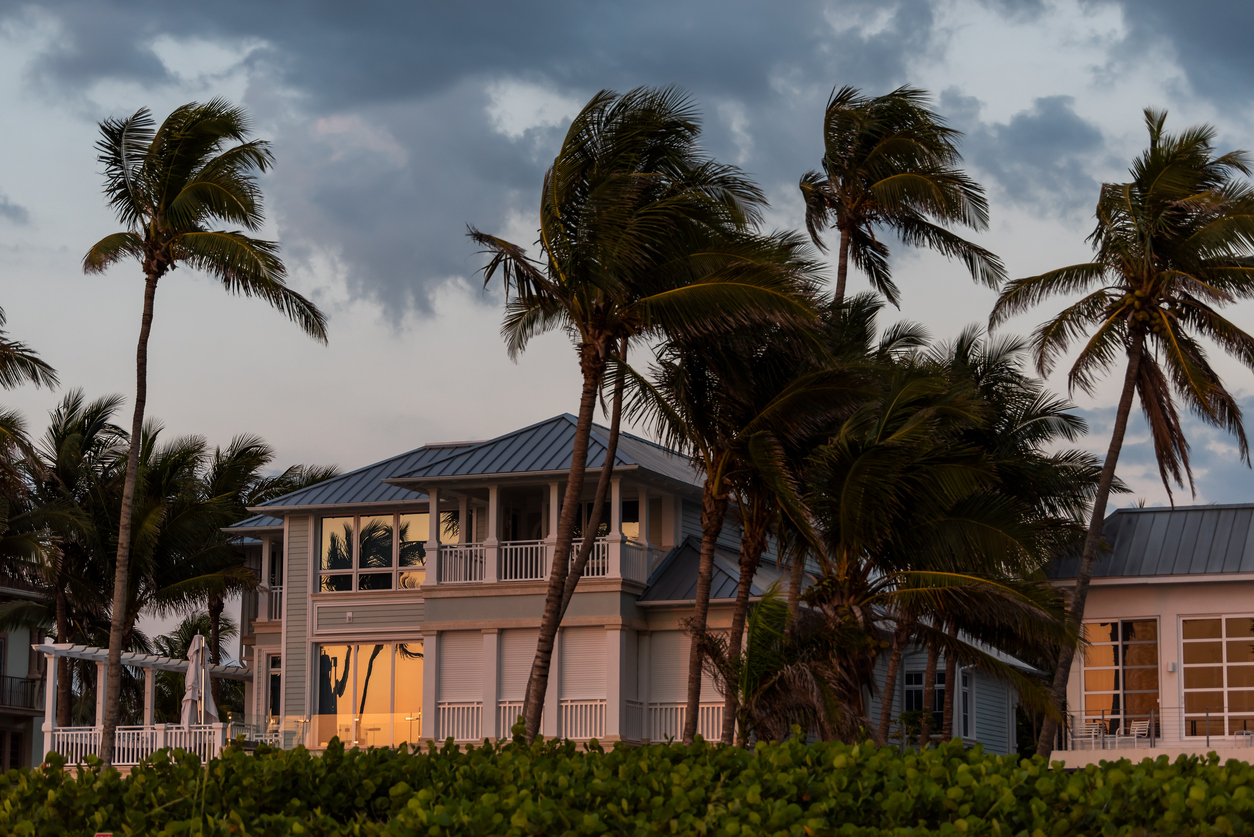
Wind damage in North Carolina can significantly impact properties, particularly due to the state’s vulnerability to hurricanes, tropical storms, and severe thunderstorms. High winds can cause a wide range of damage, from minor issues like broken windows and roof shingles to more severe structural damage, including collapsed roofs, downed trees, and destroyed outbuildings. Coastal areas are particularly susceptible, but as we unfortunately saw with Hurricane Helene, inland regions also experience devastating damage.
In addition to direct damage to homes and buildings, windstorms often lead to power outages, damage to vehicles, and the disruption of essential services. Property owners may face costly repairs and lengthy recovery times, and insurance claims can be complex, particularly when determining coverage for wind versus water damage. The economic and emotional toll on homeowners can be substantial, requiring immediate emergency responses and long-term rebuilding efforts.
Common wind damage claims include:
In North Carolina, homeowners’ insurance typically covers wind damage, but the extent of coverage depends on the specific terms of your policy. Most standard policies cover damage caused by windstorms, including hurricanes and tornadoes, to the structure of your home, such as the roof, walls, and windows. Detached structures like garages and sheds are also often included. Personal property inside the home, such as furniture, electronics, and clothing, may be covered if damaged by wind-driven debris or rain entering through openings caused by wind.
However, there are limitations. Windstorm deductibles, particularly in coastal areas, may be higher than standard deductibles. Additionally, while wind damage is generally covered, flood damage from storm surges or heavy rains often requires a separate flood insurance policy. It’s essential to review your policy closely to understand coverage specifics, including exclusions or additional riders for wind or hurricane damage.
Property owners must immediately file a detailed claim with their insurance company, providing supporting documentation when such damage occurs. The insurer will then assign an adjuster to evaluate the claim and determine the payout. However, it is common for disputes to arise during this phase, often regarding the cause of the damage or the amount needed for repairs.
If your claim is substantial, an experienced attorney may be needed — and can help you understand your rights and ensure your claim is handled fairly.
After experiencing wind damage in North Carolina, the first step is to ensure your safety and the safety of others. Avoid entering any unstable structures or areas with fallen power lines. Taking immediate action after a storm can protect your property and insurance claim. Here is what to do:
Insurance companies are often financially motivated to limit payouts, and may use tactics such as:
When you purchased your insurance policy, you expected the insurer to act in good faith. Unfortunately, that is not always the case.
Below are common examples of bad faith conduct in wind damage claims:
When a policyholder retains an attorney, insurers are more likely to take the claim seriously. Legal representation signals that the claimant understands their rights and is prepared to escalate the matter, including pursuing litigation if necessary.
In North Carolina, the statute of limitations for filing a lawsuit related to property damage, including wind damage, is three years from the date the damage occurred. However, it is advisable to file your insurance claim as soon as possible after discovering the damage and gathering supporting evidence.
Delays in reporting or addressing the damage can lead to complications, including the insurer disputing coverage because you failed to take reasonable steps to mitigate further loss or secure the property after the event.
In their eagerness to make their dwelling livable again, homeowners may make mistakes that harm their claims. Here are some missteps to avoid:
A wind damage attorney can help with your insurance claim in North Carolina by guiding you when you run into difficulties with the often complex claims process. We can ensure your rights are protected. Here is how we can make a difference in your insurance claim:
Insurance companies prioritize their bottom line, often attempting to offer lowball settlements or dragging out the claims process. We are skilled negotiators, well-versed in countering insurers’ tactics to minimize your damage or delay your payout. We build strong cases that accurately reflect the full extent of your losses.
An insurance policy is a complex contract, often consisting of riders, exclusions, and limitations. We can work to maximize your insurance payout after wind damage in North Carolina by utilizing our expertise in insurance law to effectively navigate the claims process. We will thoroughly review your insurance policy to identify all potential coverage, ensuring no benefits are overlooked.
The strength of your claim also hinges on the evidence you provide. We help you compile and present all the necessary documentation, leaving little room for dispute. Key evidence includes:
Our team is here to provide guidance. If your claim has been denied or you suspect bad faith from the insurance company, we can help you navigate the next steps.
The property damage lawyers at Rhine Law Firm offer representation and assistance to North Carolina property owners whose homes have been damaged by wind and other severe weather events. Please call or visit our Wilmington office as soon as you can after a disaster strikes. If you retain our firm and we accept your case, we will take over and manage all communications with your property and casualty insurer and fight tirelessly to get you the full insurance payments you need. Since we work on a contingency fee basis, you will not pay attorney’s fees unless we win compensation for your losses.
Although our primary office location is in Wilmington, North Carolina we represent clients nationally and across the state of North Carolina. Some of the many areas we serve are listed below.
Working with our firm means your needs will be met and your questions answered by someone who knows your name and the details of your case — every time you call.
Contact Rhine Law Firm, P.C., at (910) 772-9960 for a free initial consultation. Evening and weekend appointments upon request. Office hours 8:30 a.m. to 5 p.m. Evening and weekend appointments also available. We also offer Spanish interpretation and translation services.
Schedule Your Free Initial Consultation